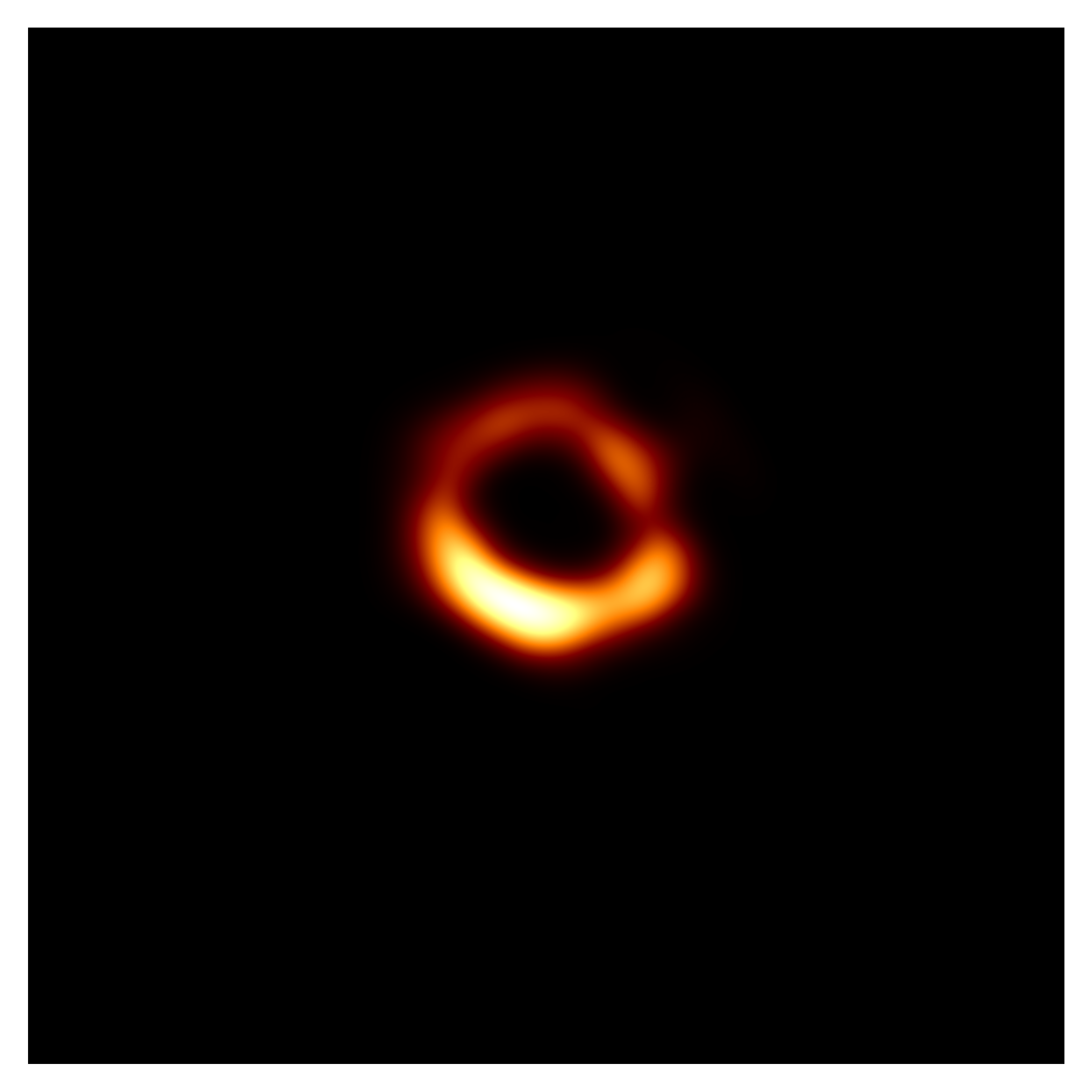
When the first image of a black hole went public in 2019, some scientists asked a fair question: how much of that picture came from the data and how much from the processing choices? A small CSIRO team now says it has an independent answer, according to CSIRO.
Four Australian researchers developed an AI-powered imaging technique called GenDIReCT, published in Nature. It uses triplets of telescope measurements instead of pairs, which helps cancel out calibration errors and cut subjective bias.
Why triplets?
Combining three measurements at a time helps remove distortions from the atmosphere and instruments. That makes the final picture less dependent on human tuning.
The result: the method recovered the ring structure of the M87 black hole, supporting the original Event Horizon Telescope findings through a separate route.
The takeaway: we usually hear about AI generating content. This is AI as a verification tool, helping reduce bias and test claims. For anyone building a career around data, that's a strong pitch: the valuable skill is often not producing an answer but proving it holds up.