Getting useful molecules past a plant cell's wall and membrane is one of biotech's stubborn bottlenecks. A Caltech team led by Gozde Demirer has adapted tiny bacterial "nanosyringes" to do it, according to Caltech and a paper in Nature Nanotechnology.
How it works
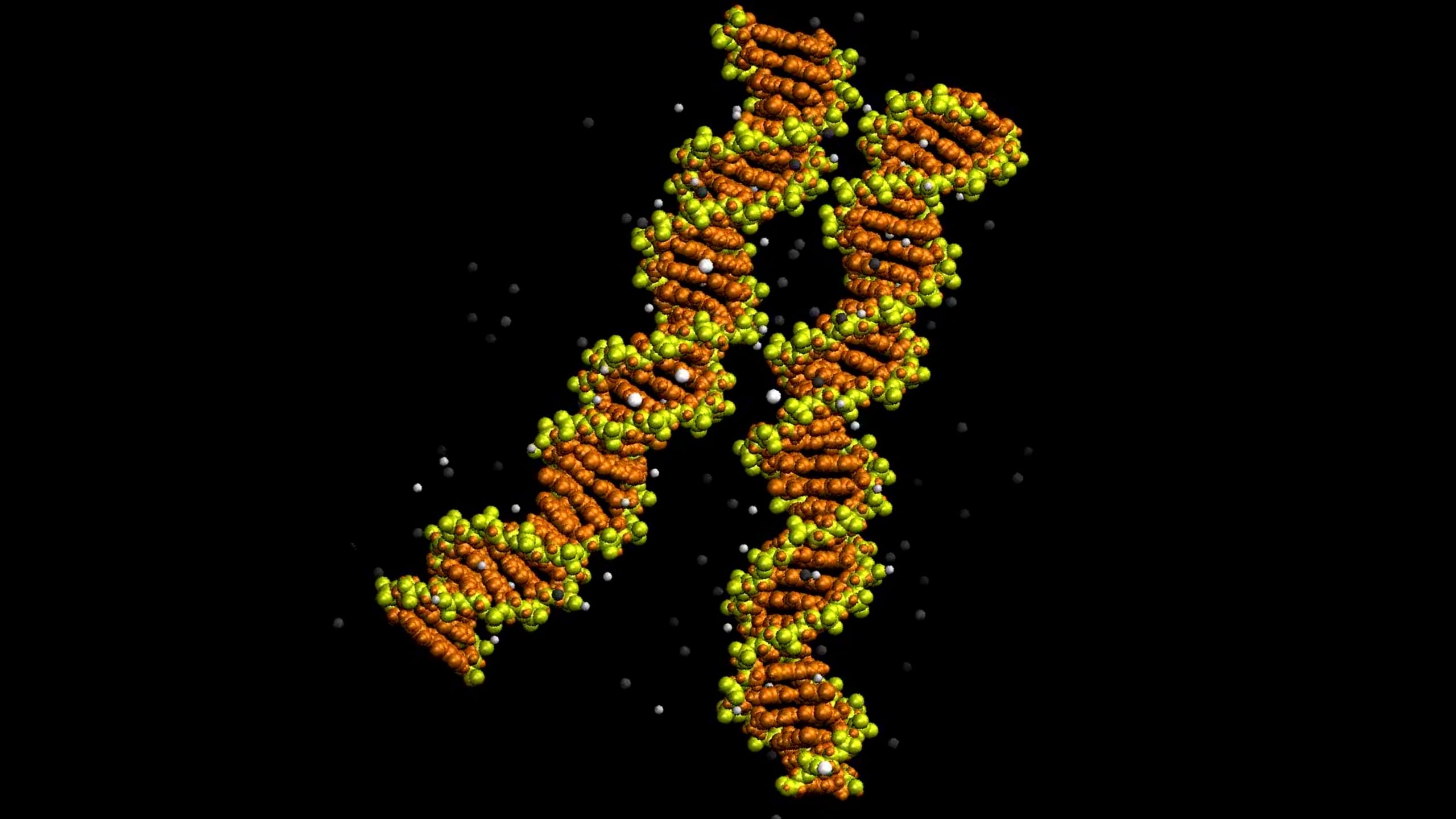
The system is based on one found in Photorhabdus bacteria, which naturally inject toxins into insect cells. The researchers swapped the natural binding region of the tail fibers for flg22, a short amino acid chain recognized by the FLS2 immune receptor on many plant cells. That gave the syringes a molecular handle for attaching to plants instead of insects.
Why proteins, not DNA
- The syringes delivered enzymes that rearrange DNA and enable targeted gene insertion in leaf cells.
- Delivering the protein itself skips the step of introducing DNA instructions, which Caltech says reduces the chance of unwanted DNA ending up in the plant genome.
- Further development could allow more control over when and where a molecular tool acts.
"While our platform still requires more development before it might be deployed in the field, we're confident that we can eventually produce the first plant transformation system with cell-targeting and multifunctional capabilities," says lead author Mark G. Legendre.
Why it matters: Food security and climate-resilient crops are long games, and tools like this are the plumbing behind them. Nothing here is on your grocery shelf soon, but it shows how biology is becoming an engineering discipline. Source: Caltech News.