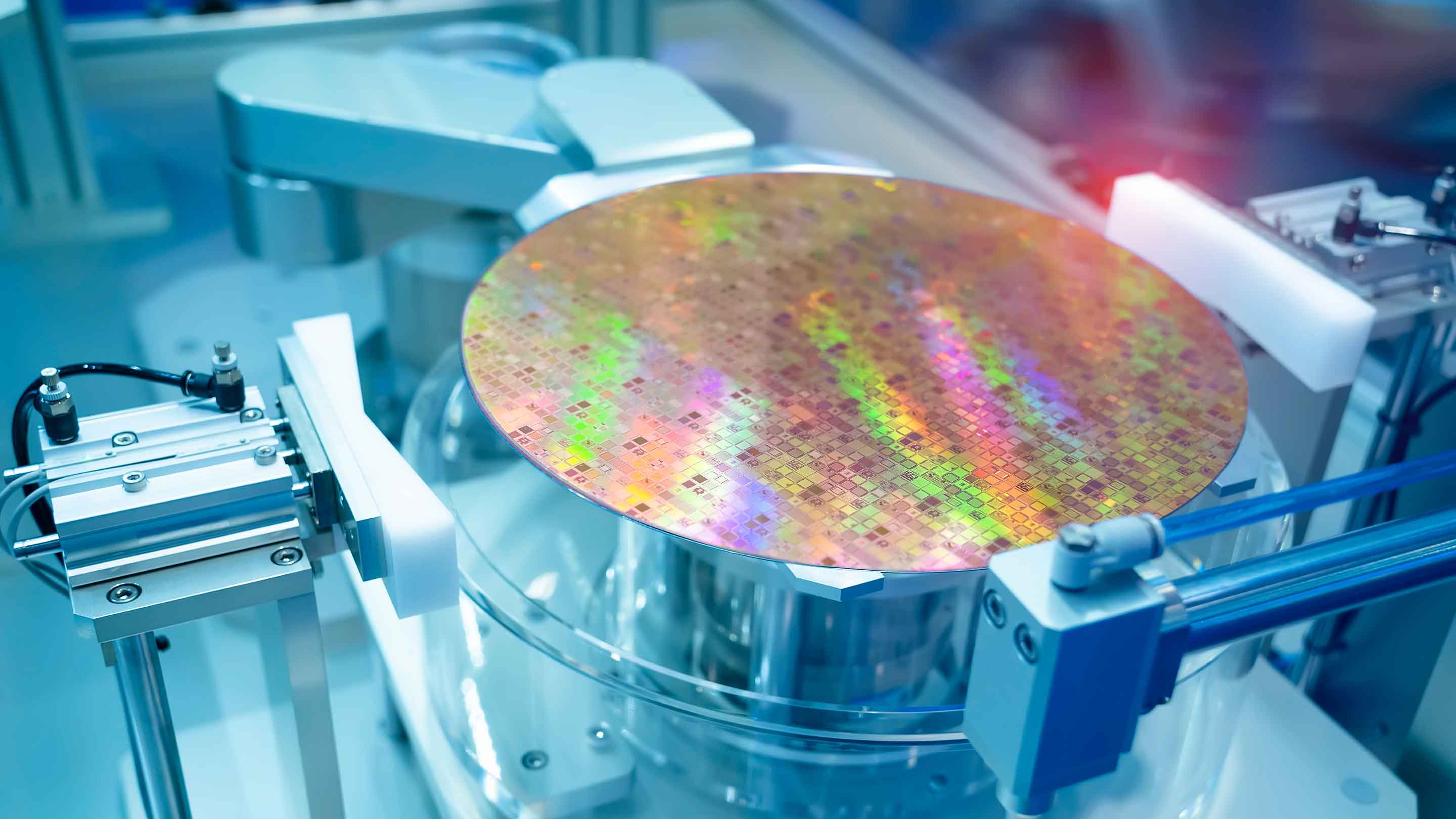
As the AI boom continues to drive unprecedented demand for computing power, a new bottleneck has emerged in the supply chain: advanced semiconductor packaging. While chip design and fabrication get most of the attention, it's the packaging step — where individual chips are combined into complex, multi-die modules — that's now limiting the industry's ability to scale.
Why Packaging Matters
Modern AI chips like Nvidia's latest GPUs and custom training accelerators use advanced packaging techniques such as CoWoS (Chip on Wafer on Substrate) to combine multiple chiplets, high-bandwidth memory, and interconnects into a single package. These processes are complex, expensive, and capacity-constrained.
The Investment Rush
TSMC, the world's leading chip manufacturer, has been aggressively expanding its advanced packaging capacity. Equipment makers in Taiwan are ramping up production of specialized tools, while Nvidia and other chip designers are working to diversify their packaging sources.
For the broader tech industry, this bottleneck means that even as chip designs improve, the ability to manufacture enough AI processors at scale remains limited. This could affect everything from cloud computing costs to the availability of AI-powered services over the next several years.